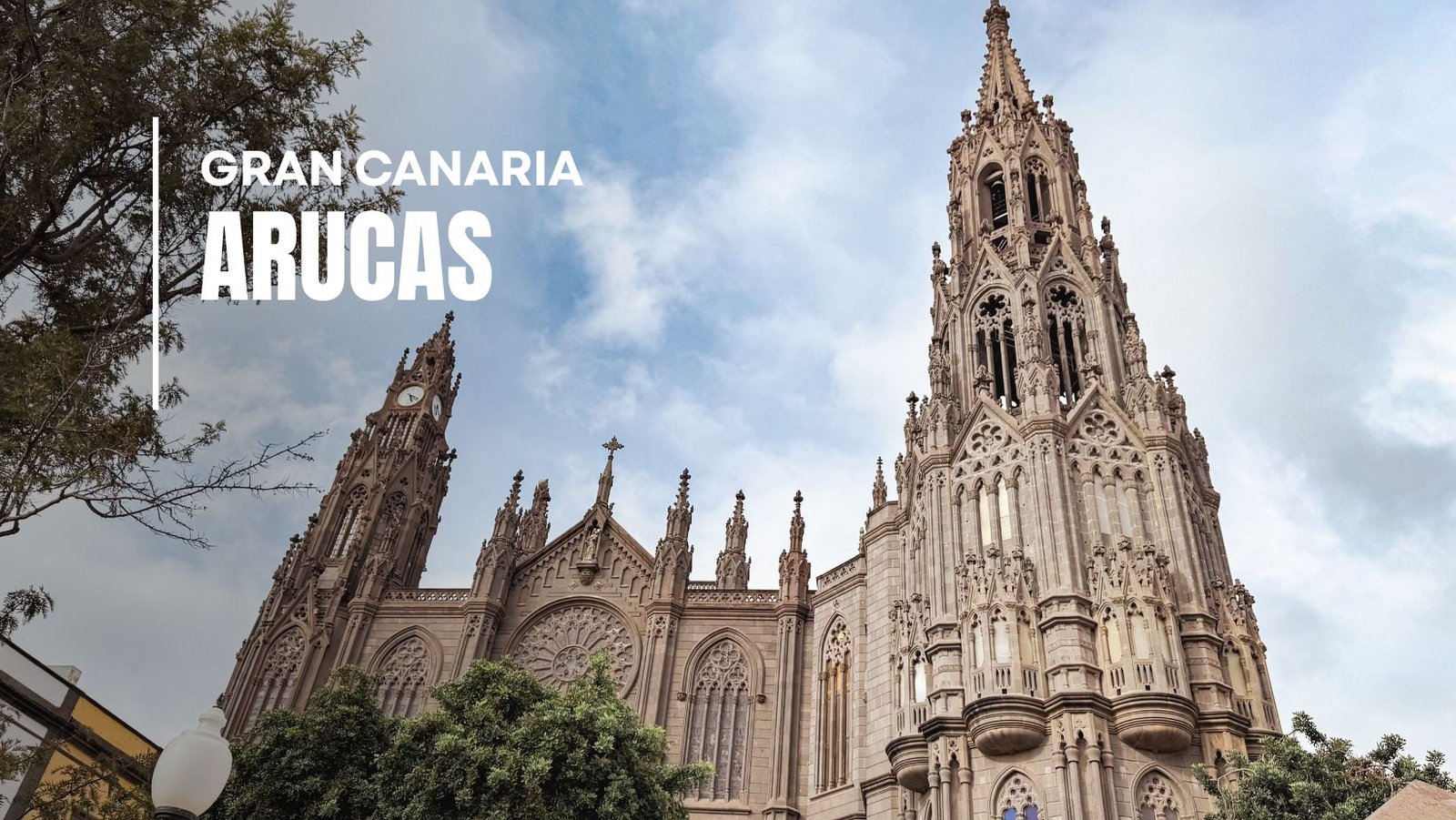
Arucas – the pearl of northern Gran Canaria
Arucas is one of the most atmospheric towns in the north of Gran Canaria - a place where history, culture...



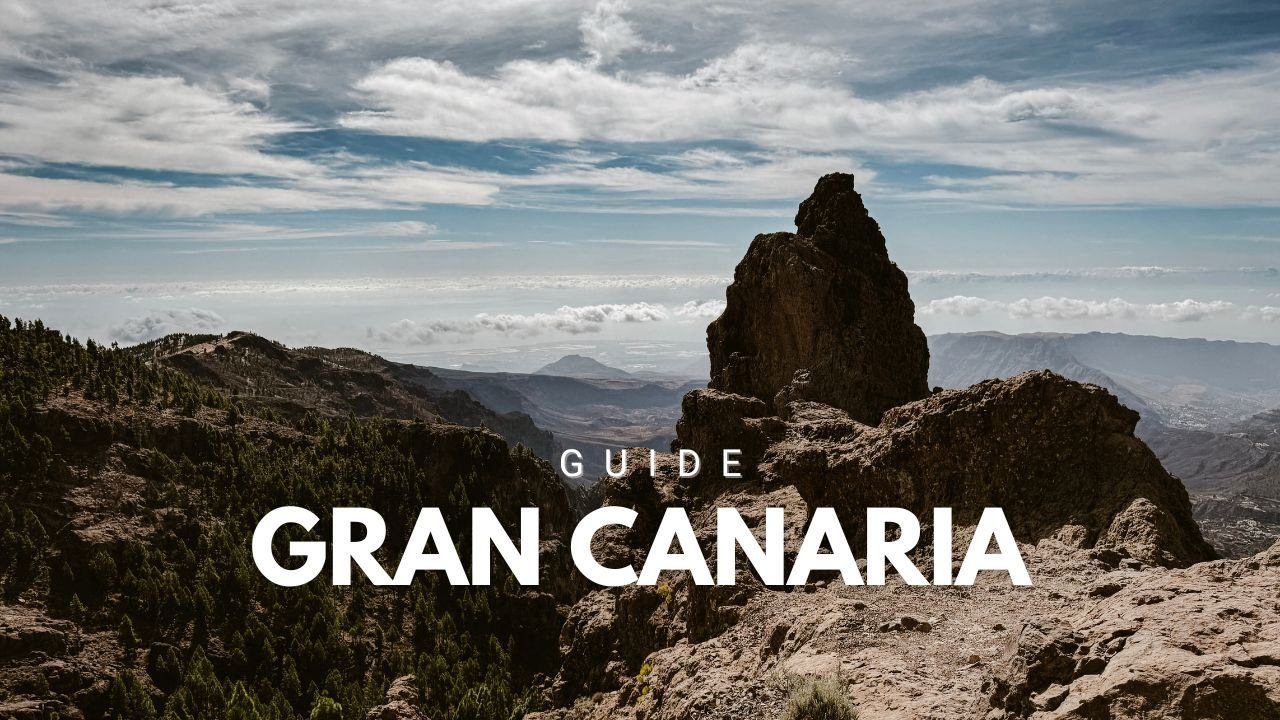
Gran Canaria is one of the most varied islands in the Canary Islands archipelago – from sandy dunes to humid forests to sharp cliffs and mountains. The island’s tourist offer combines beautiful beaches, rich nature, culture, history, developed tourist infrastructure, and a very friendly climate all year round.
Gran Canaria is a Spanish island, part of the autonomous community of the Canary Islands. It is located in the Atlantic Ocean, within the Macaronesia macro-region. The island has an area of about 1,560 square kilometers, making it the third largest in the archipelago after Tenerife and Fuerteventura. Its shape resembles a circle, and at its widest point it has a diameter of about 50 km. The island’s capital is Las Palmas de Gran Canaria, which is also one of the two capitals of the Canary Islands region (shared with Santa Cruz de Tenerife on Tenerife). The city of Las Palmas is located on the eastern side of the island, on the coast, and is a major cultural, administrative and transportation center.
Gran Canaria is located about 200 km northwest of the coast of Africa (Morocco). The highest peak on the island is Pico de las Nieves, which rises to 1,949 meters above sea level. The center of the island is a mountainous area – from here there are deep gorges (barrancos) heading toward the coast.
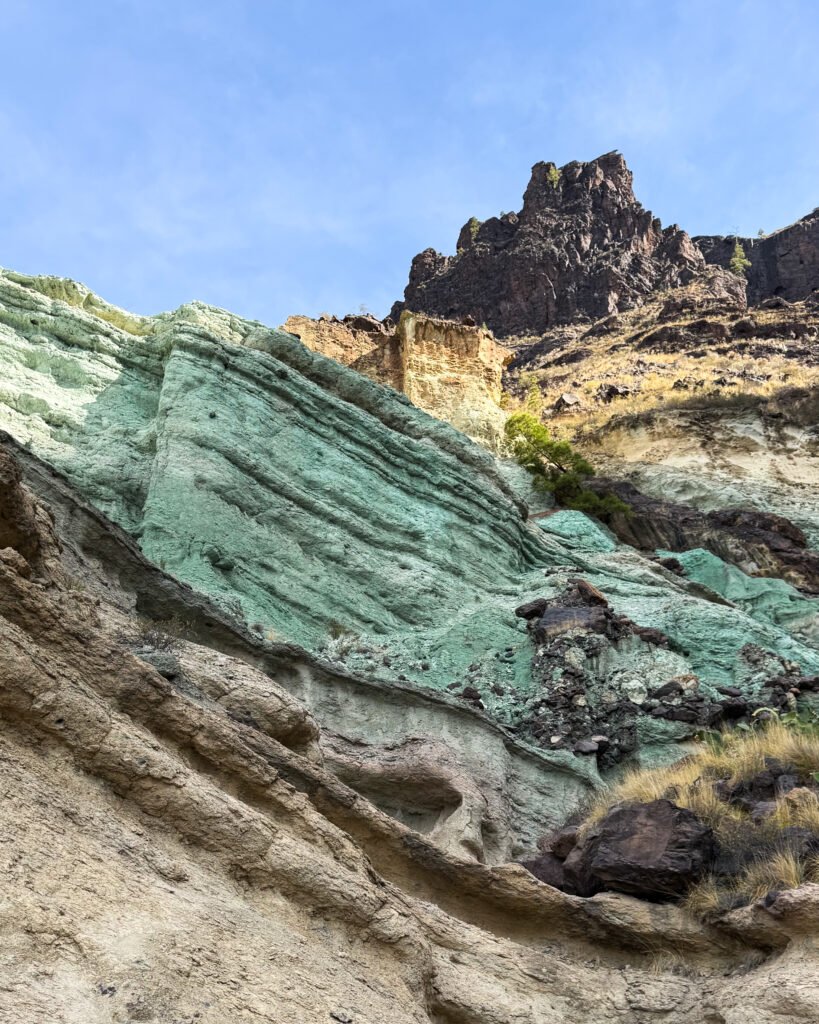
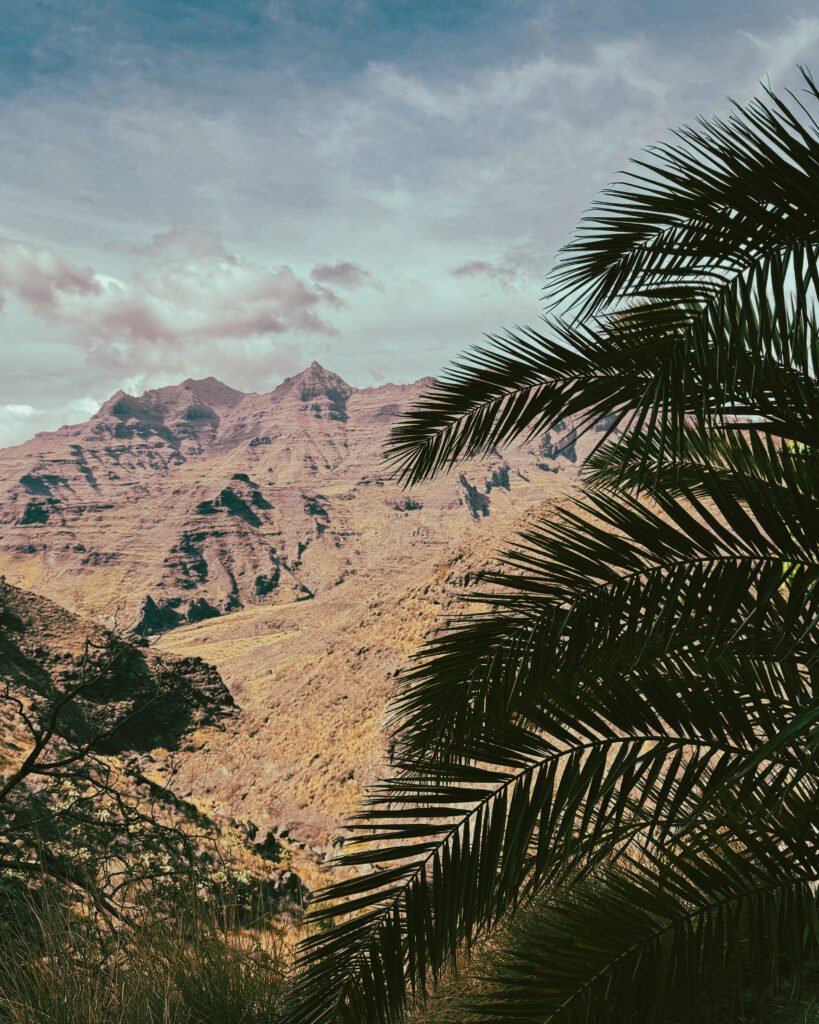
Thanks to this location and geological history, Gran Canaria presents a great diversity of landscapes – from dry and semi-desert areas in the south, to lush green areas in the north, to rugged mountainous areas in the middle of the island.
Gran Canaria, like Tenerife, is called a “miniature continent” because of the variety of landscapes. During a vacation in Gran Canaria, you can feel as if you are visiting several completely different places. What can you see here?
As a result, whether you prefer quiet days at the beach or hiking, nature photography and contrasting landscapes, there is something for you in Gran Canaria.

The island has a rich history, even before the Spanish conquest. Gran Canaria is home to the remains of settlements of the ancient inhabitants – the Guanches, the original inhabitants of the Canarian archipelago. In many places there are preserved caves, dwelling caves, archaeological monuments.
In Gran Canaria you will also see colonial architecture. In Las Palmas in the Vegueta district you’ll find, among other things, the Santa Ana Cathedral or museums (such as the Museo Canario) and in the local towns you’ll taste local cuisine at every turn, see customs, handicrafts and traditions – the island strives to emphasize.
Gran Canaria’s heritage has been recognized around the world. The Risco Caído y montañas sagradas have been declared a UNESCO World Heritage Site.
One of Gran Canaria’s greatest assets is its climate – very conducive to tourism almost all year round. Thanks to its location between tropical and temperate latitudes and the influence of the ocean, the temperature is mild, with hot winters and cold winters virtually non-existent. Winters are mild, with temperatures rarely reaching below 15 °C during the day. Summers are moderately warm, but extreme heat is rare thanks to the influence of the ocean.
In addition, the island’s terrain means that the local climate can vary significantly depending on the side (north, south) or altitude. Microclimatic differences – cooler in the mountains, lower temperatures at altitude; warmer on the coast, especially on the south side of the island. Precipitation is present, but rather moderate, with a tendency for precipitation to increase in the north during the winter months. The year in terms of temperatures is relatively even – the differences between months are moderate.
Gran Canaria is home to a climatic phenomenon with the graceful name calima – a dry wind that blows in from the Sahara. It causes an increase in temperature and a decrease in air clarity
Gran Canaria is one of the most popular tourist destinations in the Canary Islands, so the infrastructure (hotels, restaurants, communications, services) is at a high level. You can easily find a wide range of restaurants and hotels, both all-inclusive vacations and private apartments. The cities are well connected, and it doesn’t take long to get around between different parts of the island.
The island offers many opportunities to explore and experience the island: water sports, dolphin-watching cruises, jeep tours, quad tours, parachute jumping as well as round trips, including in Polish.

If you are traveling to Gran Canaria from Poland – you have several options to choose from:
Gran Canaria is not just about relaxation – lovers of active recreation will find excellent conditions for:
All of these features make Gran Canaria attractive to both those seeking relaxation and those who want an active vacation.
To enjoy your stay in Gran Canaria to the fullest, you should take into account some practical tips:
Gran Canaria is an extremely versatile island that combines elements of relaxation, adventure, contact with nature, culture and history. With a mild climate for most of the year, great infrastructure and a huge variety of landscapes, it is an ideal destination for both those looking for a lazy beach vacation and those who enjoy active recreation and exploration.
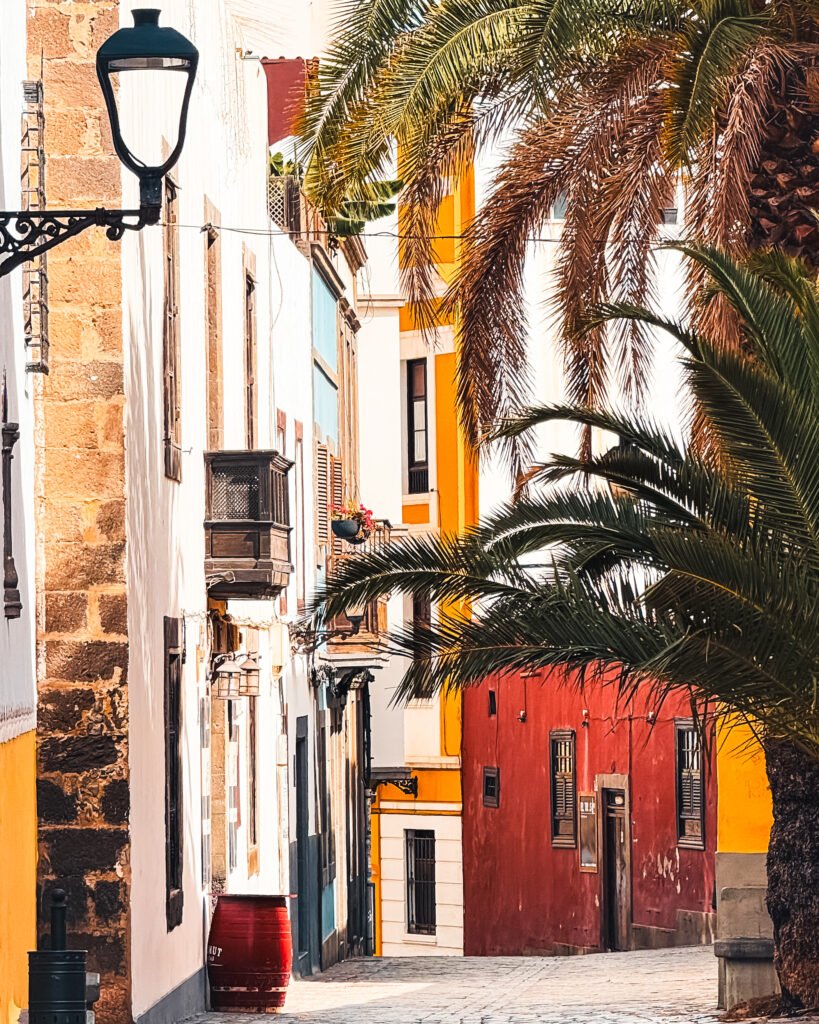
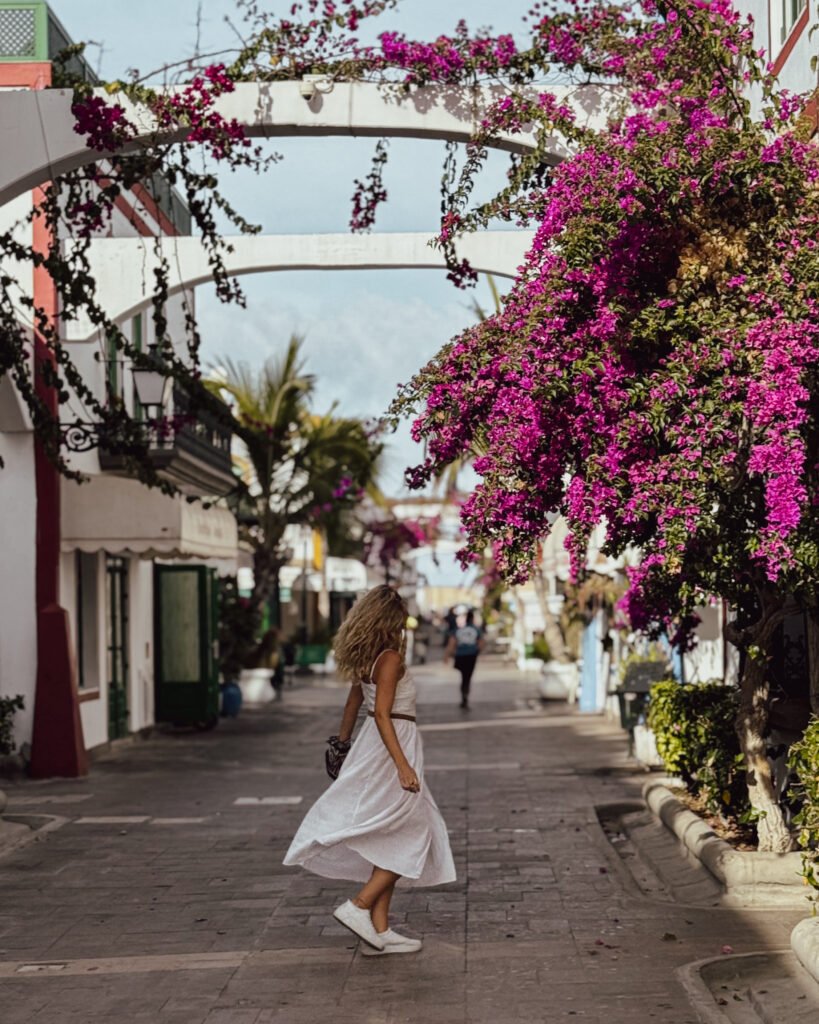
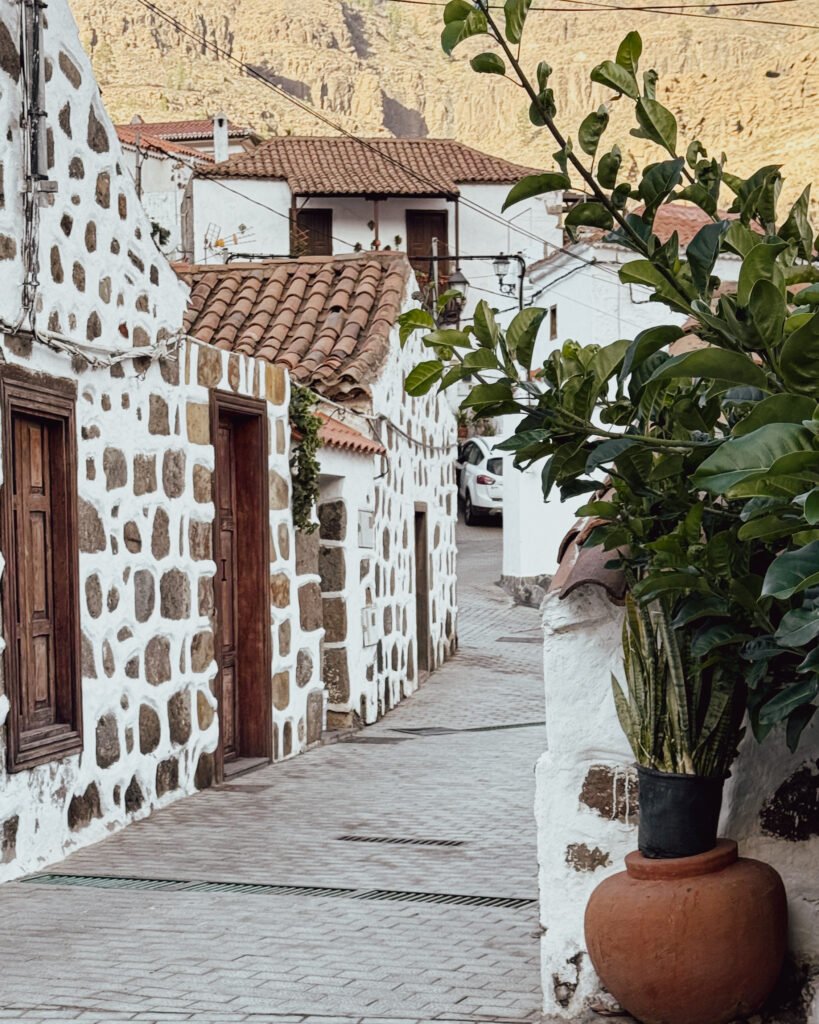
Arucas is one of the most atmospheric towns in the north of Gran Canaria - a place where history, culture...
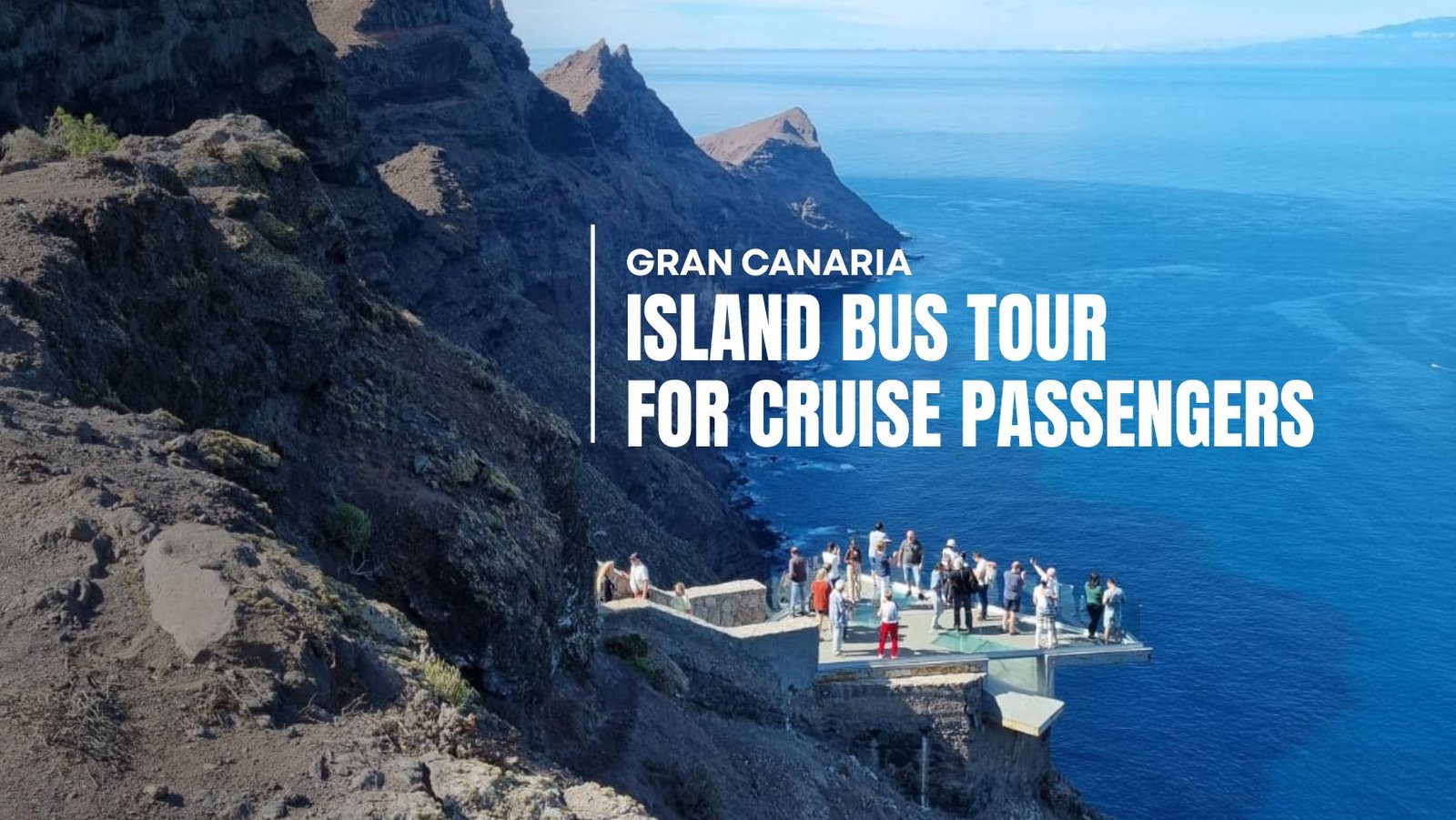
Gran Canaria is one of the most diverse and fascinating islands in the Canary Islands archipelago. Although it appears small...
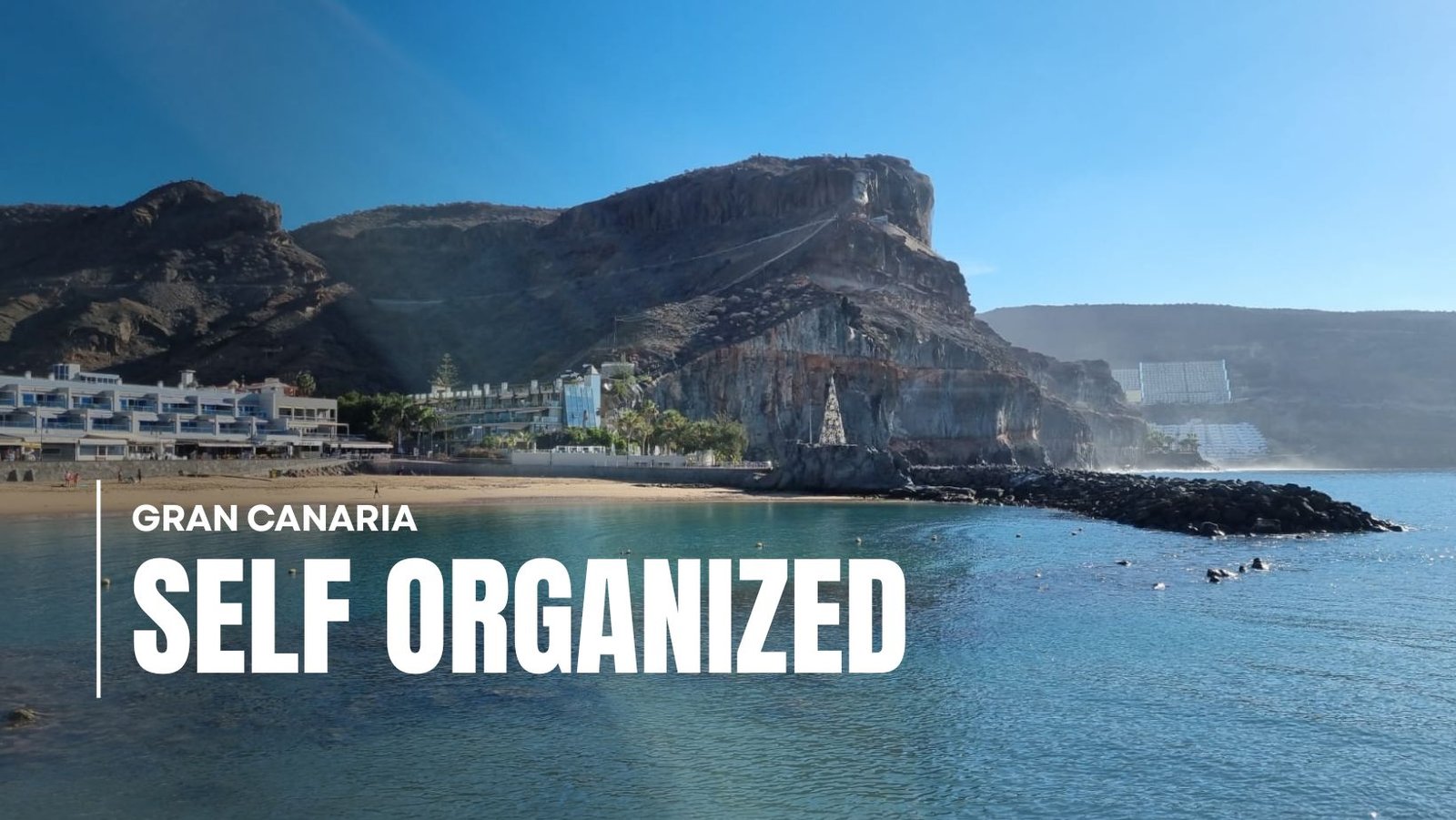
Planning a vacation to Gran Canaria on your own and want to organize the perfect trip without a travel agency?...


Gran Canaria is one of the most varied islands in the Canary Islands archipelago – from sandy dunes to humid forests to sharp cliffs and
